The Complete Guide To Container Gardening: Everything You Need To Know
Everything you need to know about container gardening, from choosing the right pot and soil to watering, fertilizing, and designing beautiful planters with the thriller, filler, spiller method. Tips for beginners and beyond.

I have been growing flowers, herbs, and vegetables in pots and containers for decades, and it never gets old. One of my favorite things is heading out early in the morning, while everything is still quiet, to do a little digging, tend to my plants, and pick fresh herbs and flowers to bring inside. It feeds my soul, lifts my spirit, and starts my day off in the best possible way.
Container gardening can do that for you, too, and the good news is that you do not need a big yard, a green thumb, or years of experience to get started. Whether you have a sunny porch, a small balcony, or just a few feet of patio space, you can grow something beautiful and rewarding right where you are.
In this complete guide to container gardening, I am sharing everything I have learned over the years, from choosing the right containers and soil to watering, fertilizing, and designing planters that look full and gorgeous all season long. It is all in one place, just for you.
The Container
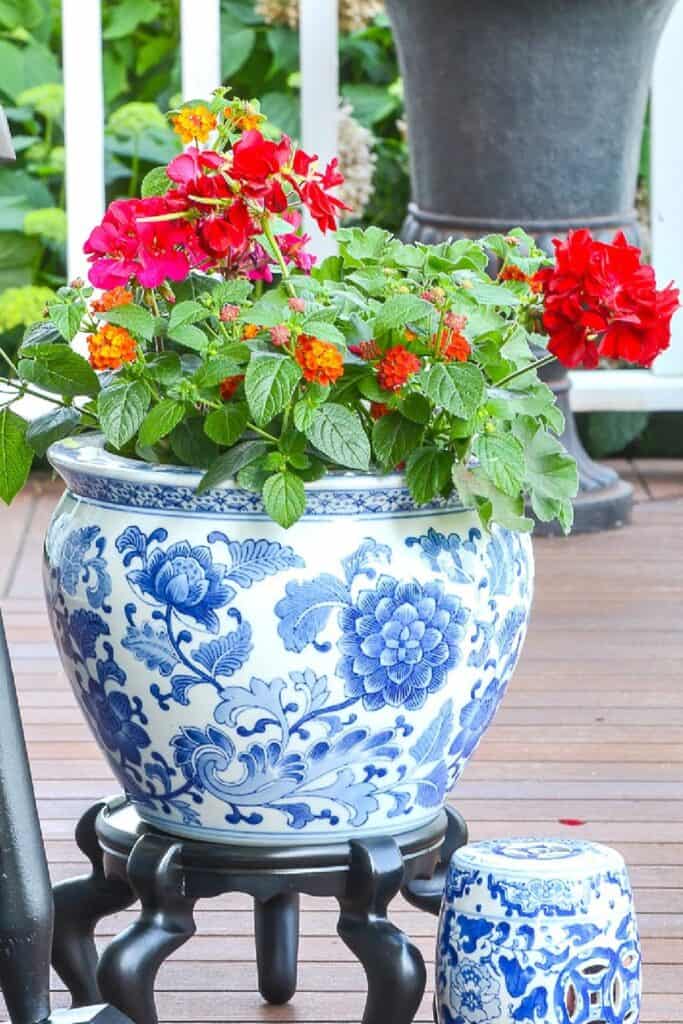
Every great container garden starts with the container! The pot, planter, basket, or barrel you choose is more than just a pretty vessel. It is the home your plants will live in all season long, and choosing the right one makes a bigger difference than most people realize.
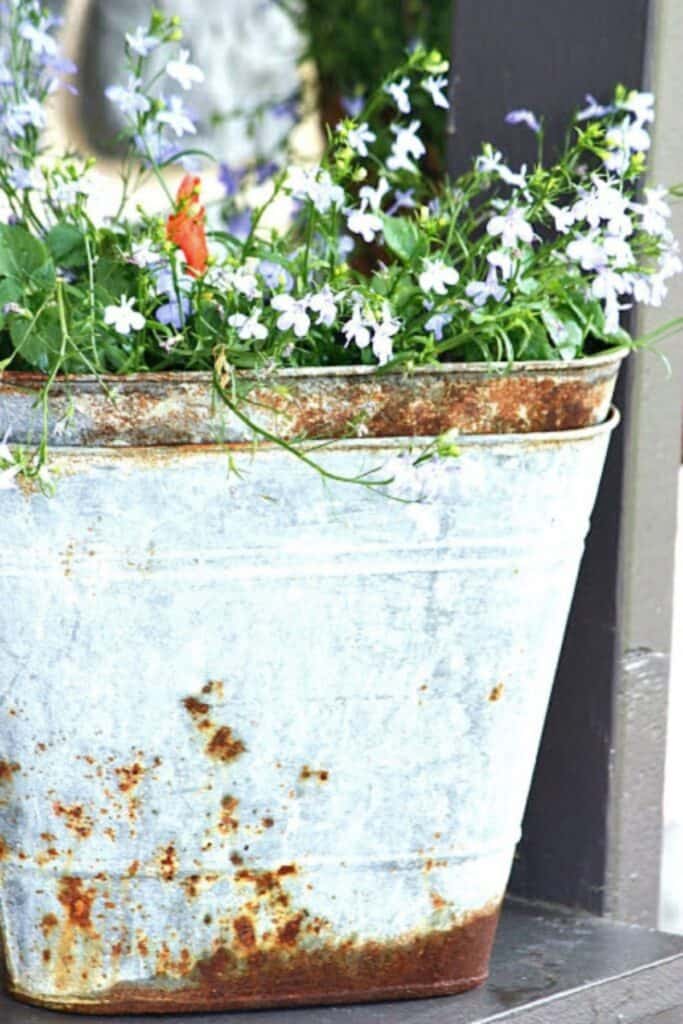
Choosing the right container is a fun process for me. It’s mixing form and function. I’ve used very traditional containers like terracotta pots, and more creative containers like an antique washtub that once held herbs right outside our back door.
Types of Containers
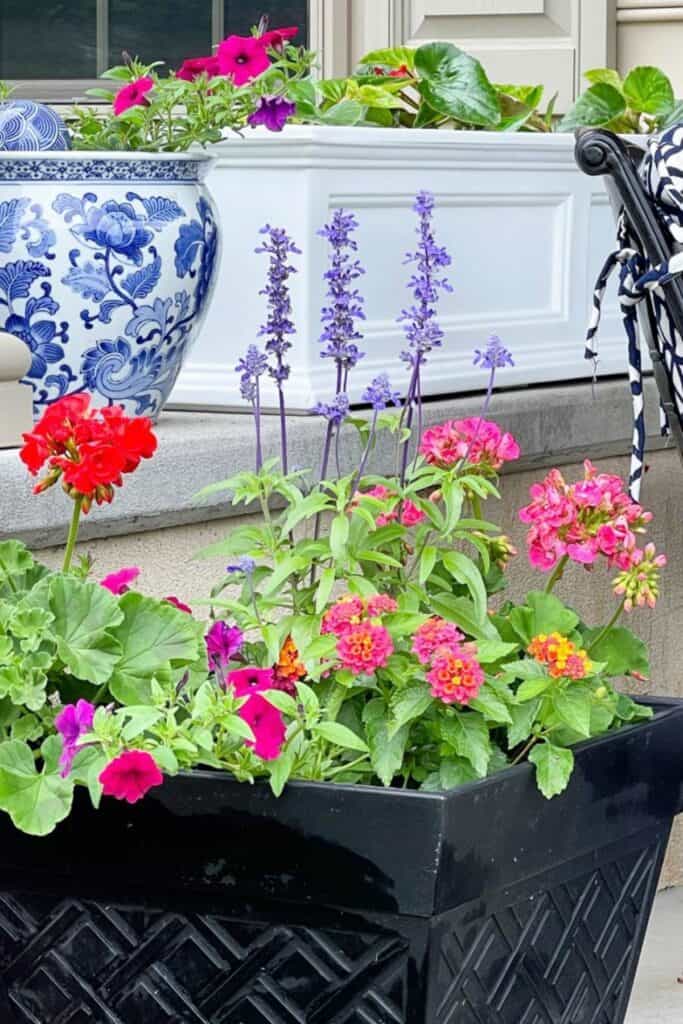
The traditional terracotta pot might be the first thing that comes to mind, but honestly, almost anything that holds soil and has drainage can become a container garden. That is one of the things I love most about this style of gardening. It rewards creativity!
Here are just a few options:
- Pots and round planters
- Tubs and barrels
- Hanging baskets
- Raised beds
- Stationary structural planters
- Galvanized tubs
- Metal containers
- Concrete containers
- Wooden boxes
- Birdbaths
- Window boxes
- Dark plastic grow bags
- And so much more!
🌿 TIP BOX: When shopping for a container, fall in love with the drainage holes first and the looks second. Every container you plant in must have adequate drainage holes at the bottom. No exceptions! Without them, water collects at the roots and causes rot, which is the number one killer of container plants.
Container Materials
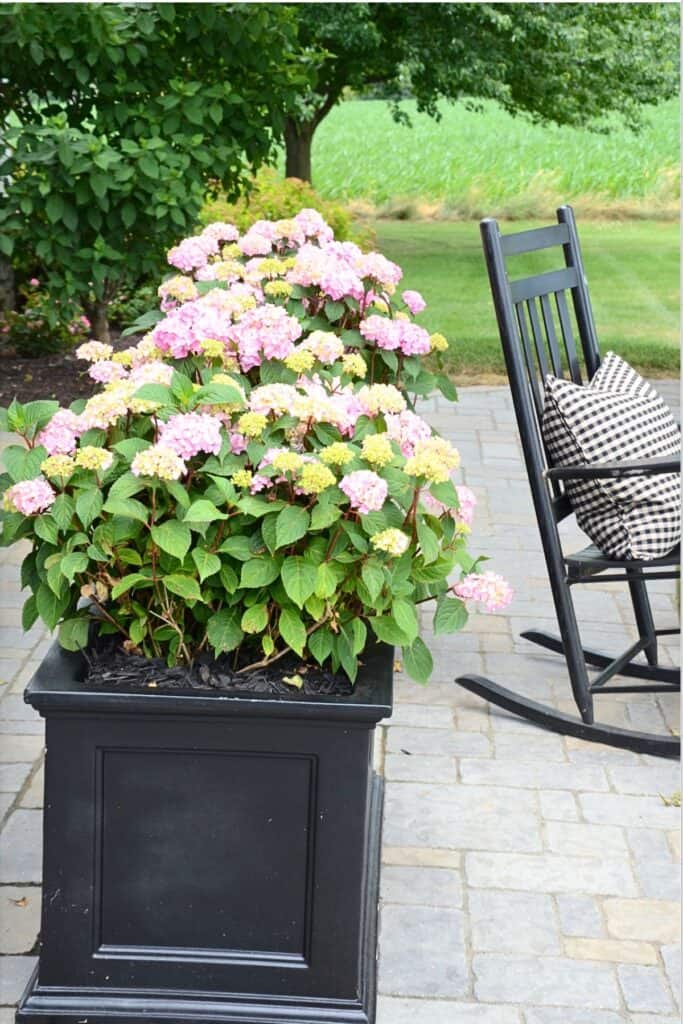
Choosing the right material for your container is just as important as choosing the right size. Each material has its own personality, its own strengths, and a few trade-offs to keep in mind.
Here is a look at the most common options:
- Terracotta: A classic for good reason. Terracotta breathes beautifully, allowing air to reach the roots. The trade-off is that it dries out quickly, so you will water more often. It can also crack in freezing temperatures, so bring it inside before winter if you live in a cold climate.
- Glazed ceramic: Gorgeous and weighty, glazed ceramic retains moisture longer than terracotta and comes in every color and style imaginable. It is heavier to move, but for a statement planter on a porch or patio, it is hard to beat.
- Plastic: Lightweight, affordable, and moisture-retaining. Not always the prettiest option on its own, but plastic pots are workhorses. Many beautiful self-watering containers are made from high-quality plastic.
- Fiberglass and fiberglass blends: These look like stone, concrete, or ceramic but weigh a fraction of the real thing. They are durable, weather-resistant, and a wonderful option for large planters you still want to be able to move.
- Wood: Wooden containers and raised beds have a natural, warm look that fits beautifully in a garden setting. Cedar and redwood are naturally rot-resistant. Line wooden boxes with landscape fabric to extend their life.
- Metal and galvanized tubs: Charming and on-trend, metal containers can heat up quickly in full sun, which can stress plant roots. If you love the look, try lining the inside with burlap or planting inside a plastic nursery pot set inside the metal container.
- Concrete and hypertufa: Extremely durable and naturally beautiful in a garden. Hypertufa is a lighter version of concrete that you can actually make yourself. Both are wonderful for a permanent or semi-permanent planter.
- Grow bags: Dark plastic or fabric grow bags are surprisingly effective, especially for vegetables. They are inexpensive, promote excellent drainage and root air-pruning, and fold flat for storage at the end of the season.
🌿 TIP BOX: Match your container material to your climate. If you live in a zone with hard freezes, avoid terracotta and ceramic left outdoors over winter, as both can crack when water in the clay expands during a freeze. Fiberglass, concrete, and wood withstand cold weather much better.
Types of Containers for Different Uses
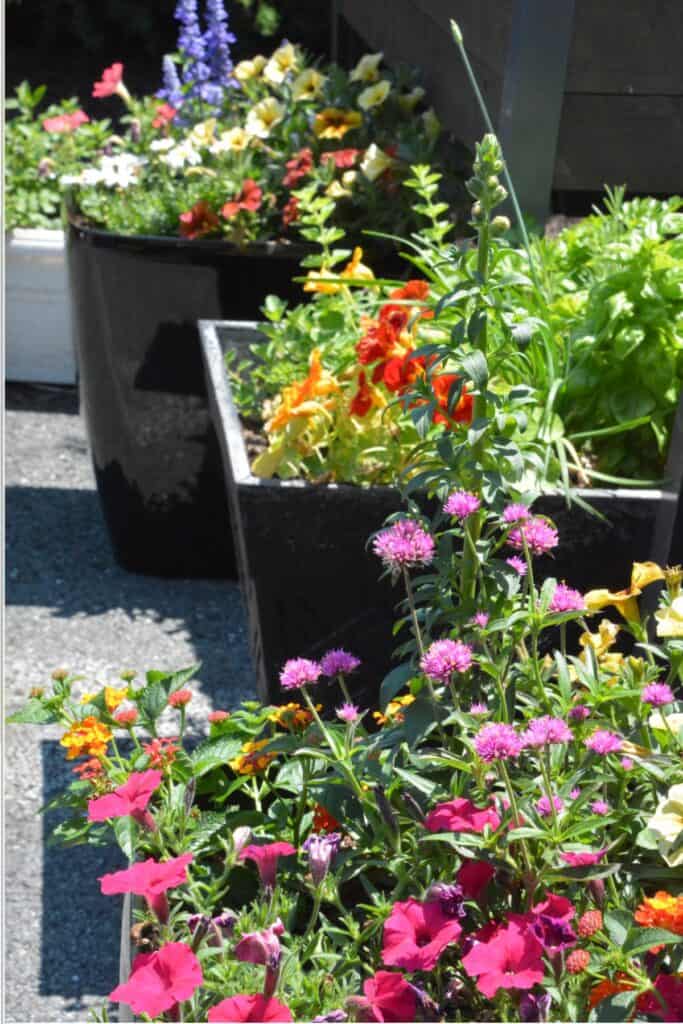
Not every container works for every situation. Here is a quick guide to matching the right container to the right spot.
Pots and Traditional Round Planters
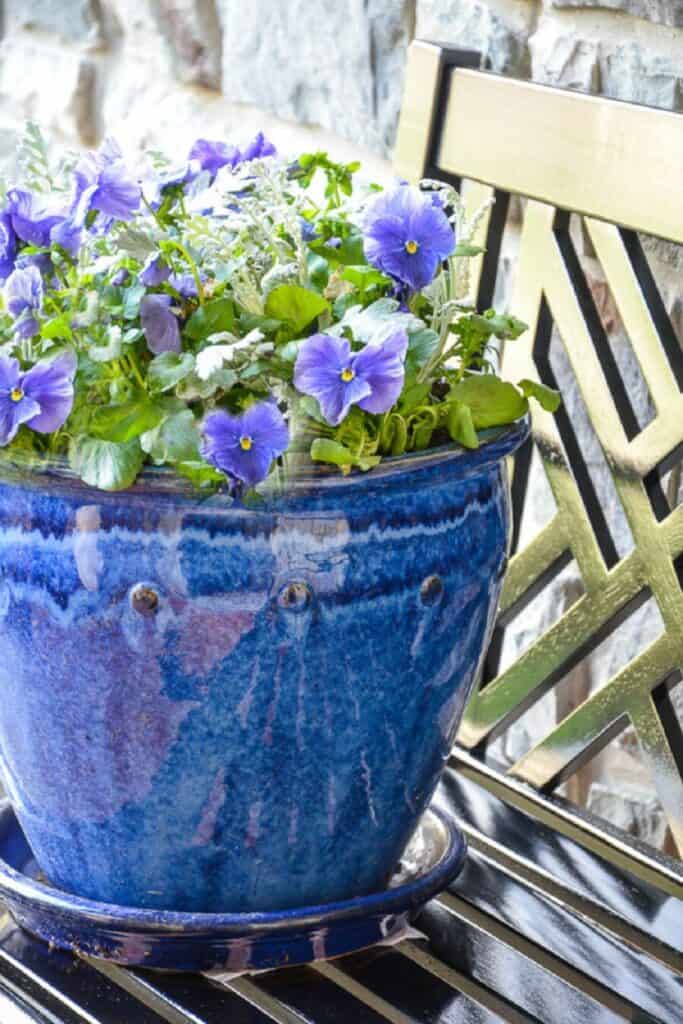
Round planters are the most versatile containers in the garden. Their circular shape allows roots to spread evenly in all directions, which encourages healthier, more balanced growth. Round pots work beautifully anywhere they can be viewed from all sides, on a patio table, at the center of a garden bed, flanking a front door, or clustered together in a grouping of varying heights.
They are easy to rotate so every side of the plant gets even sun exposure, and they come in every material, size, and style imaginable.
🌿 TIP BOX: When planting a round pot that will be viewed from all sides, place your tallest plant in the center. For a pot placed against a wall or railing and viewed from the front only, plant your tallest plant toward the back. This simple placement tip makes a big difference in the finished look.
Planters
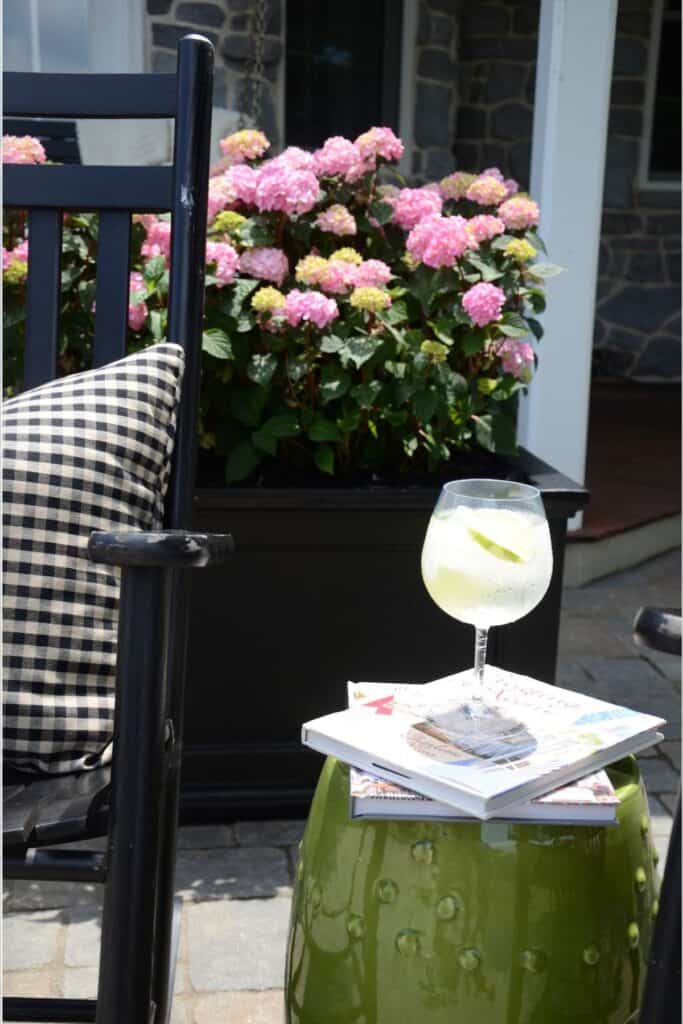
Larger, often rectangular planters are the workhorses of the container garden world. These substantial containers provide a dedicated growing space with more root room, better moisture retention, and the ability to support a wider variety of plants, from annuals and herbs to small shrubs and even dwarf trees.
Planters make wonderful natural dividers or living screens on a patio or along a driveway. At our StoneGable home, we had a trio of large black self-watering planters on the patio that beautifully separated the porch from the patio. When we moved, we gave the planters with the hydrangeas still in them to our daughter on Capitol Hill. We visited recently, and those hydrangeas are thriving and just beginning to bloom. There is something so lovely about plants that travel with your family!
If you love the idea of gorgeous hydrangeas in planters on your porch or patio all summer long, you will want to read HOW TO PLANT HYDRANGEAS IN POTS AND PLANTERS.
Raised Beds
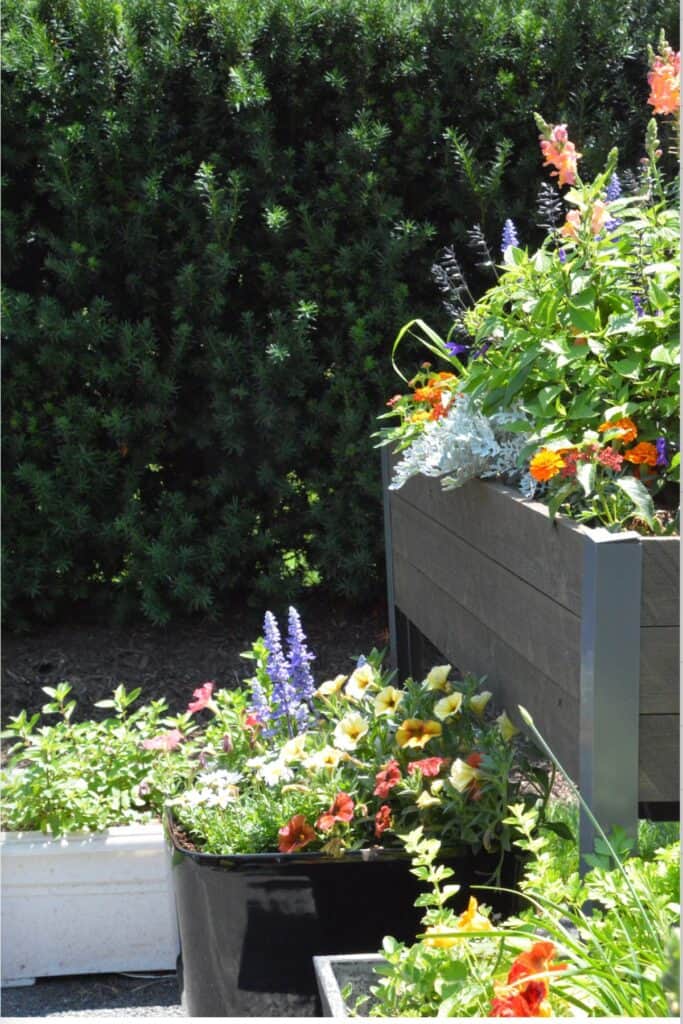
Raised bed container gardens are a personal favorite of mine, and once you try them, I think they will become one of yours, too. The ability to control your soil completely, improved drainage, easier access without bending all the way to the ground, and an extended growing season make raised beds a genuinely superior way to grow herbs, vegetables, and flowers.
The soil in a raised bed warms up faster in spring and stays warm longer into fall. I often plant herbs and cool-season annuals in April, and many of my plants hold on beautifully right up until a hard frost.
Here is a post all about HOW TO PLANT A KITCHEN HERB GARDEN IN RAISED BEDS that I think you will love.
Hanging Baskets
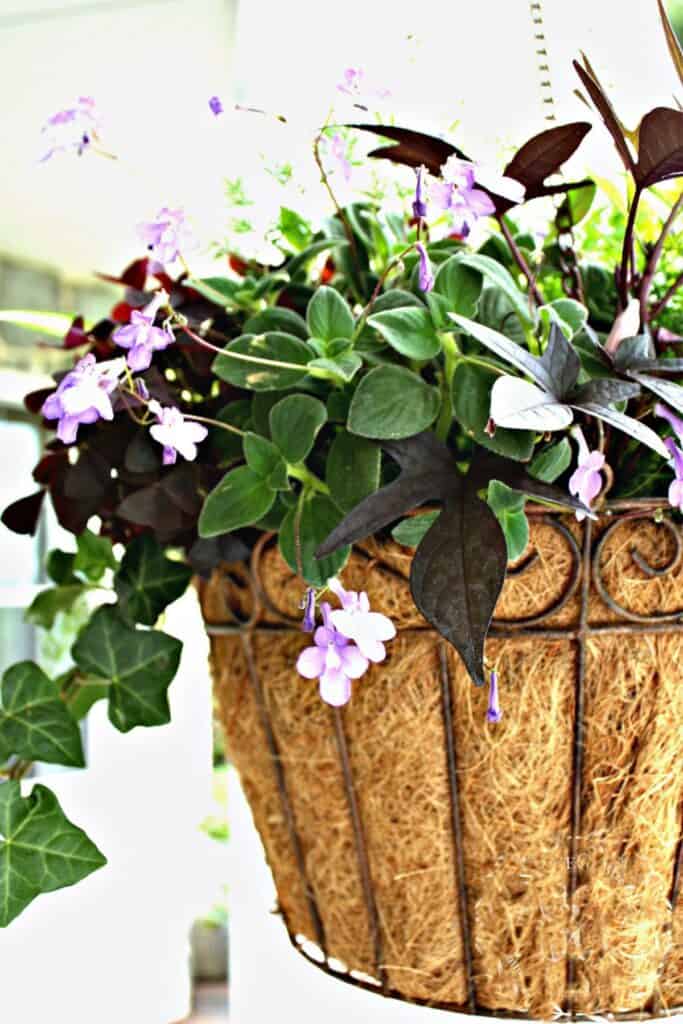
Hanging baskets are one of the most charming ways to add color to a porch, entryway, or balcony. They make use of vertical space that might otherwise go unused, and a generously planted hanging basket overflowing with blooms is one of the prettiest sights in a summer garden.
They drain beautifully, which annuals appreciate, and they are easy to reposition to chase the best light. The one thing to keep in mind is that hanging baskets dry out faster than ground-level containers, so check them daily in warm weather.
🌿 TIP BOX: Line wire hanging baskets with coco coir liner rather than the traditional sphagnum moss. Coco coir retains moisture better, lasts longer, and is a more sustainable choice. It also looks beautifully natural as the plants fill in around it.
Self-Watering Container Gardens
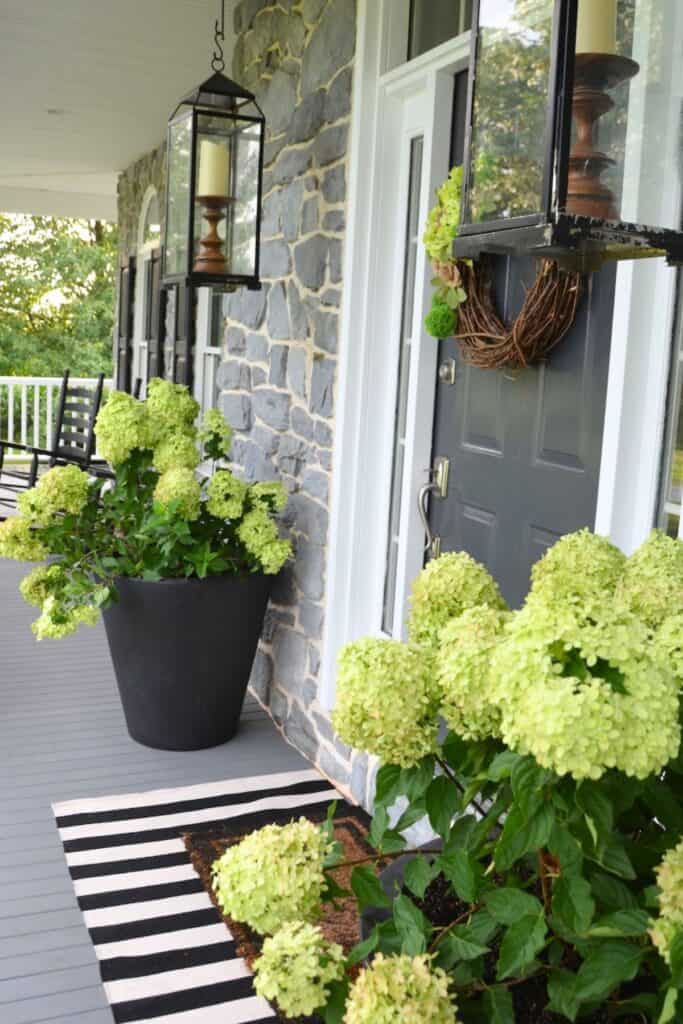
If there is one container upgrade I recommend to every gardener, it is switching to self-watering containers. These clever pots have a built-in water reservoir at the bottom that delivers consistent moisture directly to the roots through a wicking system. The result is healthier plants, fewer wilting emergencies, and significantly less time spent watering.
Self-watering containers are especially valuable for containers in full sun, where soil can dry out within hours on a hot day, and for thirsty plants that never seem to get quite enough water in a traditional pot. They are also a lifesaver if you travel or simply have a busy schedule.
Self-watering containers are my containers of choice. Once you use them, it is very hard to go back!
🌿 TIP BOX: Even self-watering containers need attention during a heat wave. Check the reservoir every few days in summer and refill it before it empties completely. Most reservoirs have a small indicator stick or window so you can see the water level at a glance.
Tower Gardens
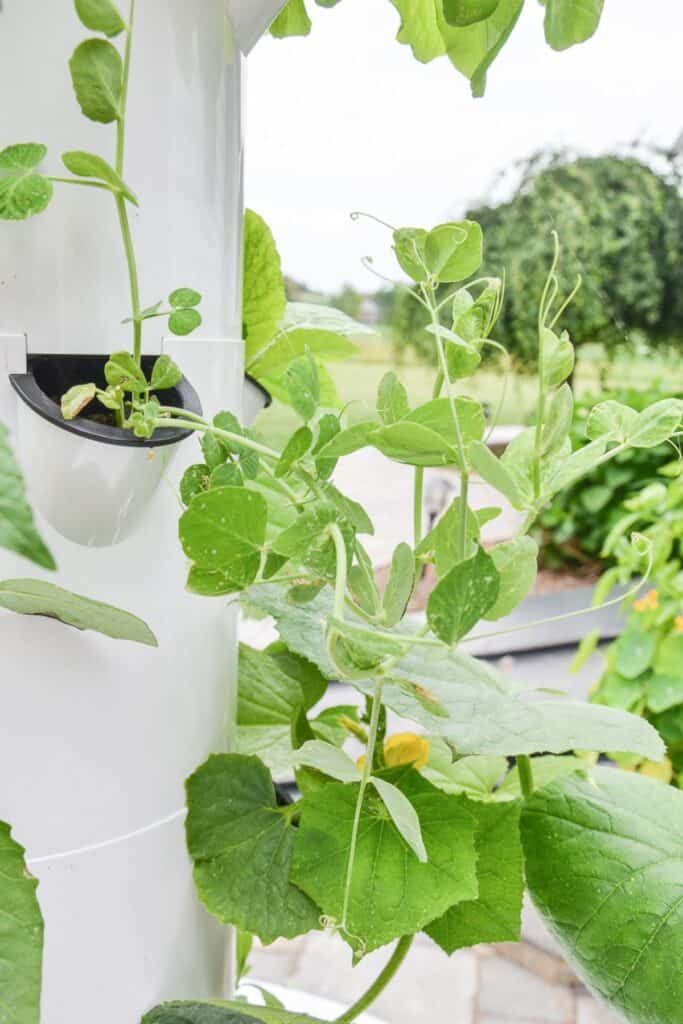
Tower gardens are a fascinating and remarkably productive option, especially if you are working with a very small outdoor space. These vertical growing systems use aeroponic technology, meaning plant roots are misted with a nutrient-rich water solution rather than growing in soil.
The result is faster growth, higher yields, and a compact footprint, making tower gardens ideal for a patio, balcony, or small yard. They are especially wonderful for herbs, lettuces, and compact vegetables.
You can find out more about tower gardens HERE, and see how we put ours together in FUN FUNCTIONAL TOWER GARDENS.
The Contents of a Container Garden
A beautiful container garden starts from the inside out. What goes into your container matters just as much as the container itself. Get the soil, drainage, and light right, and your plants will reward you all season long.
Soil
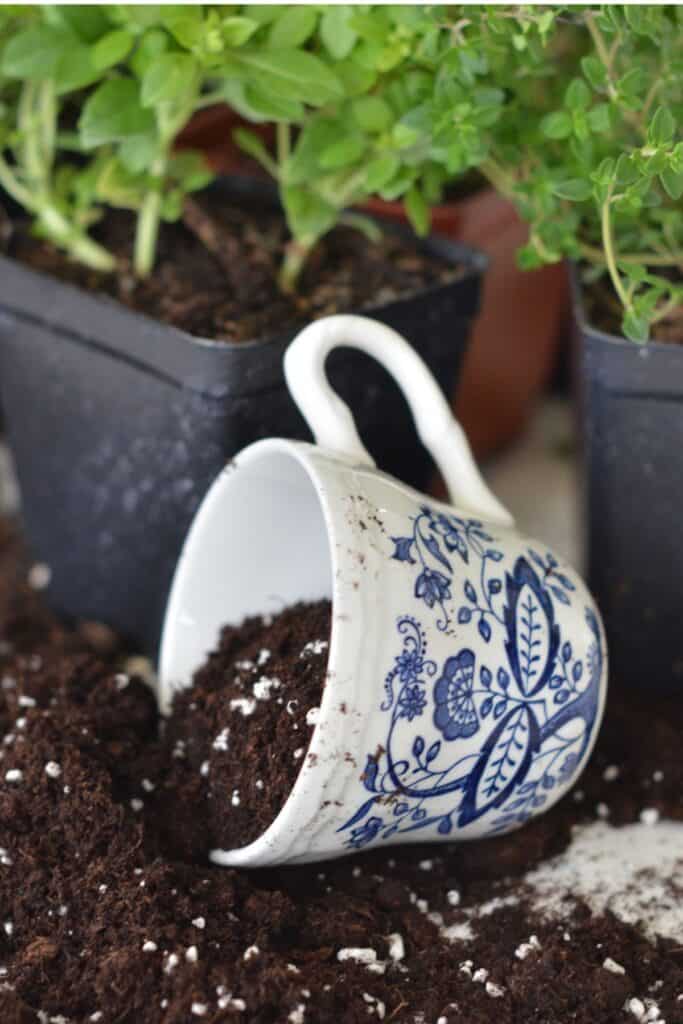
The soil in a container garden is the foundation of everything. Unlike plants growing in the ground, container plants cannot send their roots out to search for nutrients and moisture. They depend entirely on what is in that pot.
Always use a quality potting mix, never garden soil. Garden soil is too dense for containers, compacts easily, and drains poorly. A good potting mix is lightweight, well-draining, and full of the organic matter your plants need to thrive. Many potting mixes also include a slow-release fertilizer already blended in, which gives your plants a great head start.
I learned the soil lesson the hard way! One year, we accidentally filled our raised beds with garden soil instead of potting mix. It was so dense and compact that it literally choked our little plantings. It was a discouraging season, but it taught me something I have never forgotten. A great quality potting mix is worth every penny, and it is never the place to cut corners.
🌿 TIP BOX: Refresh your potting mix every season. Last year’s soil is depleted of nutrients and can harbor disease. Starting fresh each spring is one of the simplest things you can do for a healthier, more beautiful container garden.
Drainage
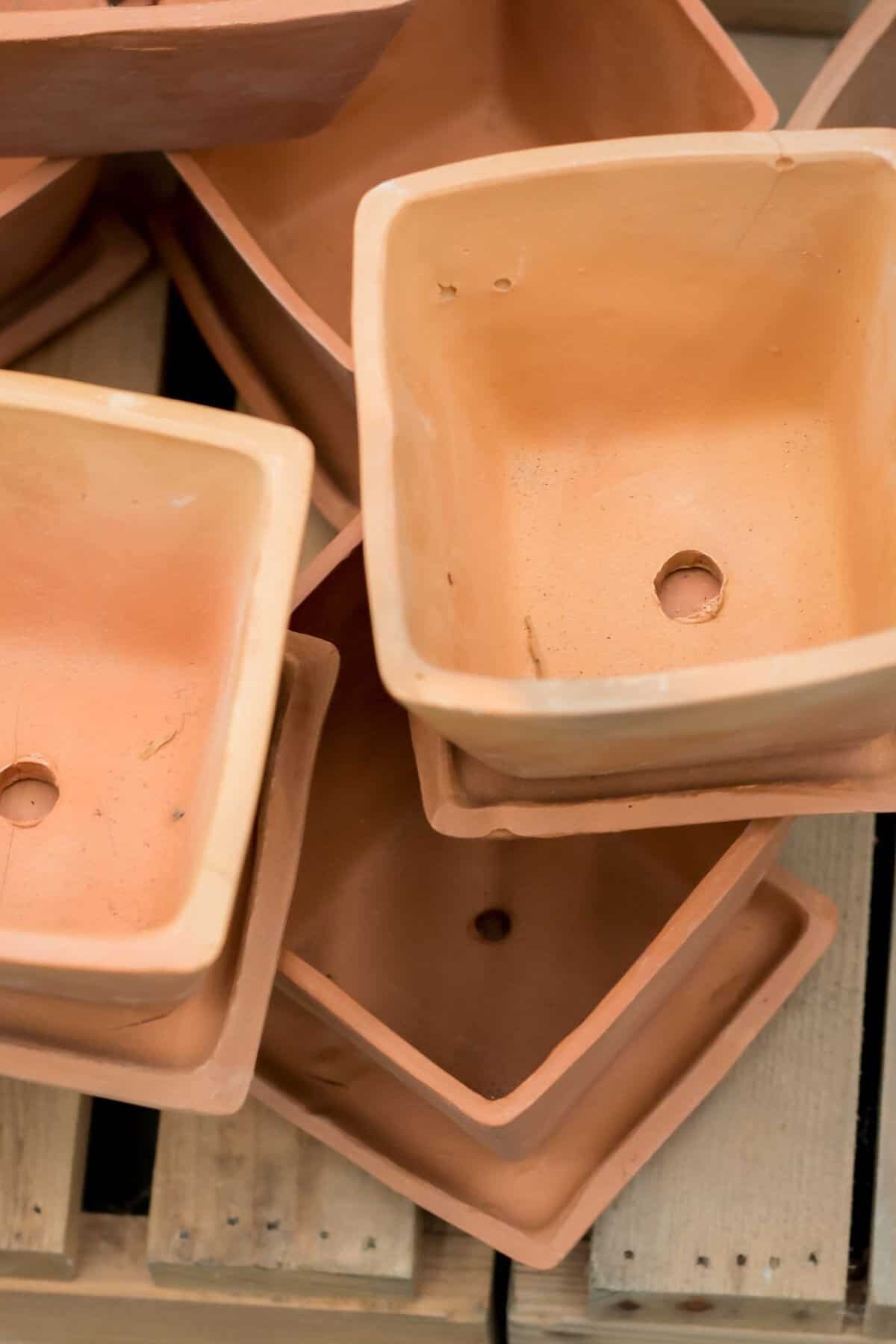
Good drainage is non-negotiable in a container garden. Without it, water collects at the roots, oxygen cannot reach them, and root rot sets in quickly. Root rot is the number one killer of container plants, and the frustrating thing is that it often looks like underwatering at first, with wilting and yellowing leaves, right up until it is too late.
Every container you plant in must have drainage holes. If you fall in love with a decorative pot that does not have them, use it as a cachepot: simply set a plastic nursery pot with drainage holes inside the decorative one.
🌿 TIP BOX: Elevate your containers slightly on pot feet, bricks, or a plant stand. This keeps drainage holes clear and functioning, especially on flat surfaces like a deck or patio where holes can become blocked.
Choosing the Right Location for Your Container Garden
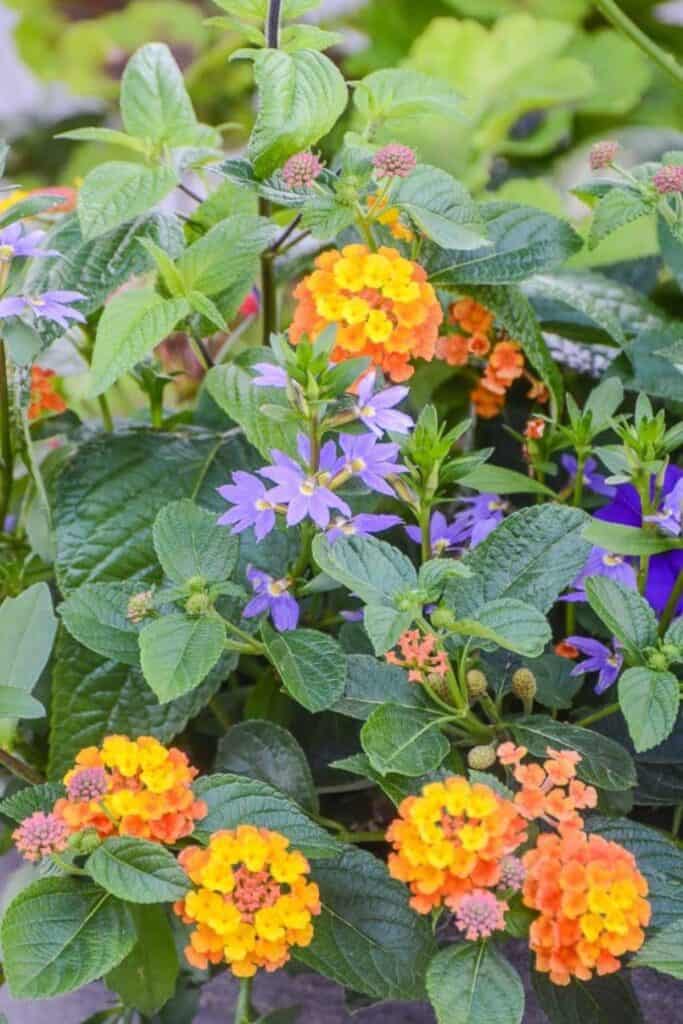
One of the biggest advantages of container gardening is that you can put your garden exactly where you want it. But before you fill a single pot, it is worth taking a few minutes to think about location. The right spot sets your containers up for success before you ever plant a thing.
As much as I would love a basket filled with beautiful blooming annuals on our front porch to greet every visitor, I know they would never thrive there. Our front porch gets the least amount of sun of anywhere around our home. After years of disappointing front porch pots, we finally planted a big, gorgeous fern and it is absolutely thriving. Sometimes the right plant for the right spot is the most beautiful choice of all.
The most important factor is sunlight. Here is a simple breakdown:
- Full sun: Six or more hours of direct sunlight per day. Most flowering annuals, herbs, and vegetables thrive here.
- Part sun or part shade: Three to six hours of direct sun, ideally morning light. Morning sun is gentler and less stressful for plants than harsh afternoon sun.
- Full shade: Fewer than three hours of direct sun per day. Hostas, ferns, impatiens, and coral bells are beautiful choices for shadier spots.
A few other things worth considering when choosing your location:
- Wind: A very exposed spot can dry out containers quickly and damage taller plants. A little shelter goes a long way.
- Water access: Place your containers reasonably close to a water source. You will be watering frequently all summer, and a long trek with a heavy watering can gets old fast!
🌿 TIP BOX: Walk out to your planting spot at different times of day before you buy a single plant. Ten minutes of observation tells you exactly what you are working with and saves a whole season of struggling containers.
Watering Your Container Garden
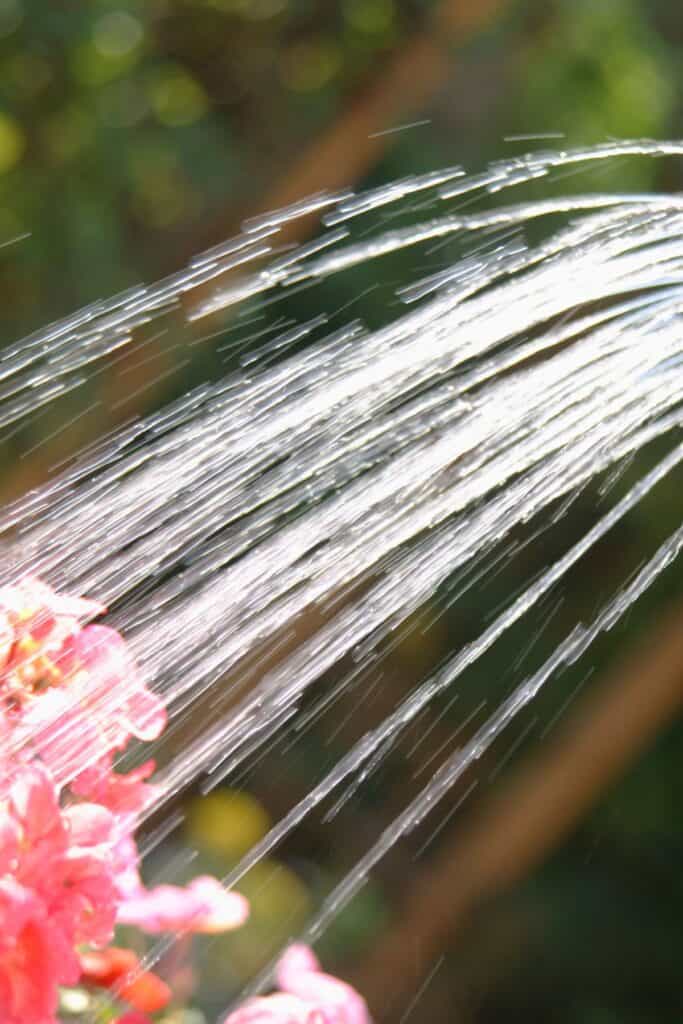
Watering is where many container gardeners run into trouble, and it usually goes one of two directions: too much or too little. Believe me, I have so much experience doing both to the horror of my plants. Container plants cannot pull moisture from the surrounding ground like in-ground plants can, so they depend entirely on you.
Over the years, I have learned from experience that many factors affect how often containers need water: the type of plant, the pot material, the container size, and, of course, the weather. On a hot, breezy summer day, a pot can dry out surprisingly fast. I have also found a rhythm that works beautifully for me. I set my hose sprayer to a slow, drip-like stream and let it do the work while I move about my container garden, deadheading spent blooms and clipping fresh flowers and herbs to bring inside. Watering becomes less of a chore and more of a lovely excuse to spend time with your plants.
How often should you water? Check your containers daily in warm weather. Water when the top inch of soil feels dry to the touch. During a heat wave, some containers may need water twice a day.
Water deeply every time. Water slowly and thoroughly until you see it draining freely from the bottom of the pot. This encourages roots to grow downward into the soil rather than staying shallow near the surface.
Watch for these warning signs:
- Wilting leaves, bone-dry soil, and a lightweight pot all signal underwatering.
- Yellowing leaves, soggy soil, and a musty smell are signs of overwatering, which leads to root rot.
🌿 TIP BOX: Water in the morning when possible. Morning watering allows foliage to dry before evening, which significantly reduces the risk of fungal disease. It also gives your plants a good drink before the heat of the day sets in.
Fertilizing Your Container Garden
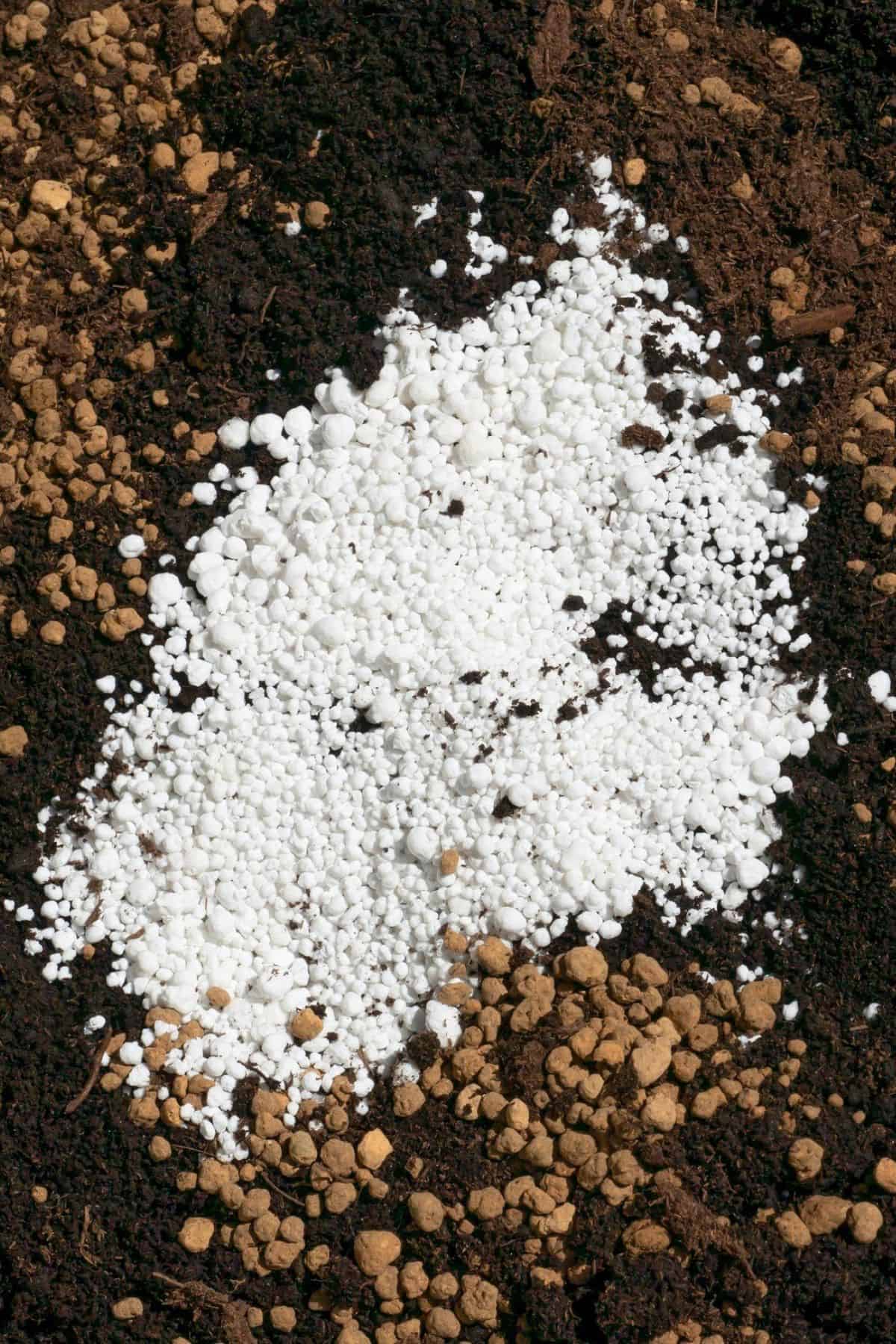
Container plants need more fertilizer than in-ground plants. Because you water containers frequently, nutrients flush out of the soil much faster than in a traditional garden bed. The confined space also limits how much your plants can access on their own.
Here is my honest approach after years of container gardening: I no longer fertilize separately. Instead, I start with a premium potting mix that already has fertilizer built right in. A quality potting soil with built-in fertilizer will nourish your annuals, herbs, and vegetables throughout the growing season without additional feeding. It is a shortcut that absolutely pays you back with beautiful blooms and a bountiful harvest.
If you choose a potting mix without built-in fertilizer, here is what to know:
- At planting time: Mix a slow-release granular fertilizer into your potting mix. This provides a steady, gentle feed for weeks.
- Mid-season: About four to six weeks after planting, supplement with a water-soluble liquid fertilizer every one to two weeks.
- For flowering plants: Look for a fertilizer higher in phosphorus to encourage blooming.
- For herbs and vegetables: A balanced all-purpose fertilizer works beautifully.
🌿 TIP BOX: Always read the label on your potting mix before buying a separate fertilizer. Many premium mixes already include slow-release fertilizer that feeds your plants all season long. Starting with great soil is the single best investment you can make in your container garden.
Designing Your Container Garden: Thriller, Filler, Spiller
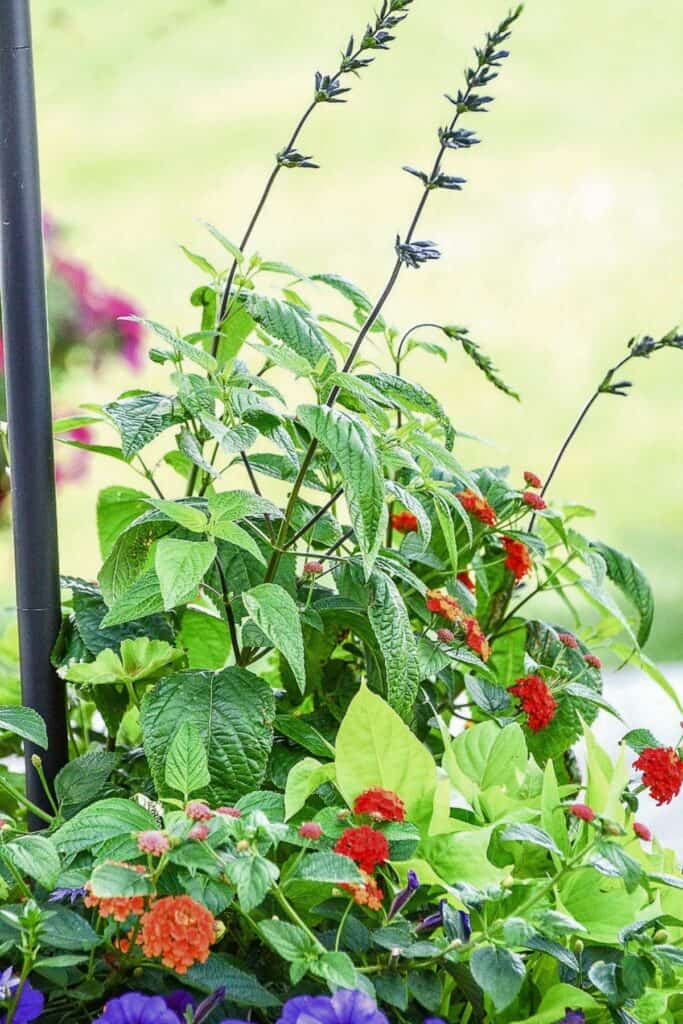
Here is the design secret that changed everything about the way I plant containers. Once you know it, you will use it every single time, and your pots will look better and better as the season goes on.
I always plant with the Thriller, Filler, Spiller philosophy in mind, and it works every time. Think of it this way: the Thriller, Filler, Spiller method is to designing a container garden what the rule of three is to decorating. It is a simple, reliable formula that just works.
I will also confess that my containers tend to be a little cozy. I love a full, lush pot and I have never been shy about planting generously! Once things get a little too overgrown, I simply divide and move plants into a few more containers. More pots, more beauty. I call that a win.
The Thriller
The thriller is the star of the container. It is the tallest, most dramatic plant, the one that catches your eye first and sets the whole color story. Place it in the center of a round pot that will be viewed from all sides, or toward the back of a pot placed against a wall or railing.
Great thriller plants include:
- Ornamental grasses
- Canna lilies
- Upright salvia
- Dracaena
- Bold coleus
- Tall ornamental peppers
The Filler
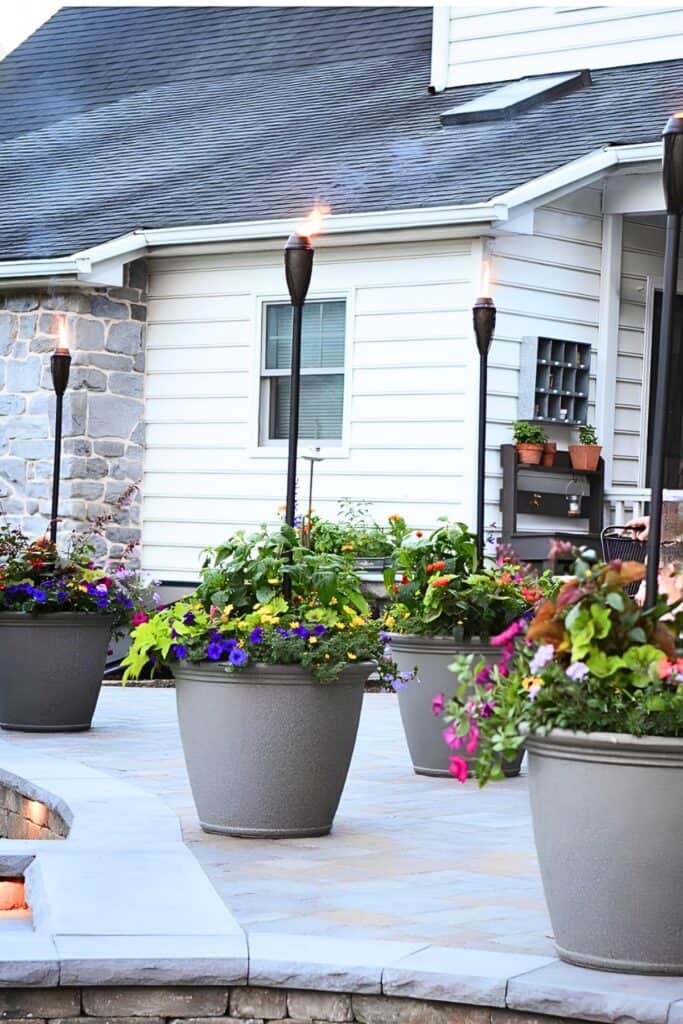
The Filler is the supporting player. These mid-size, mounding plants surround the thriller, fill in the middle of the pot, and give the whole arrangement its fullness and body. I love them because many of the prettiest blooms are fillers.
Great filler plants include:
- Geraniums
- Petunias
- Begonias
- Heuchera
- Marigolds
- Sweet alyssum
- Lantana
The Spiller
The spillers are what give a container that lush, overflowing look that makes people stop and admire it. These trailing plants are placed at the edges of the pot and cascade beautifully down the sides.
Great spiller plants include:
- Sweet potato vine
- Trailing lobelia
- Bacopa
- Creeping Jenny
- Vinca vine
- String of pearls
🌿 TIP BOX: All three plants in your container must share the same sunlight and water requirements. A sun-loving thriller paired with a shade-loving spiller will always result in one thriving plant and one struggling one. Match your plants to your location first, then have fun with color and texture.
A simple recipe to get you started: For a 12-inch pot, plant one thriller in the center, two or three fillers around it, and three spillers placed at the rim. That is truly all there is to it. From there, the only limit is your imagination!
Annuals for Container Gardens
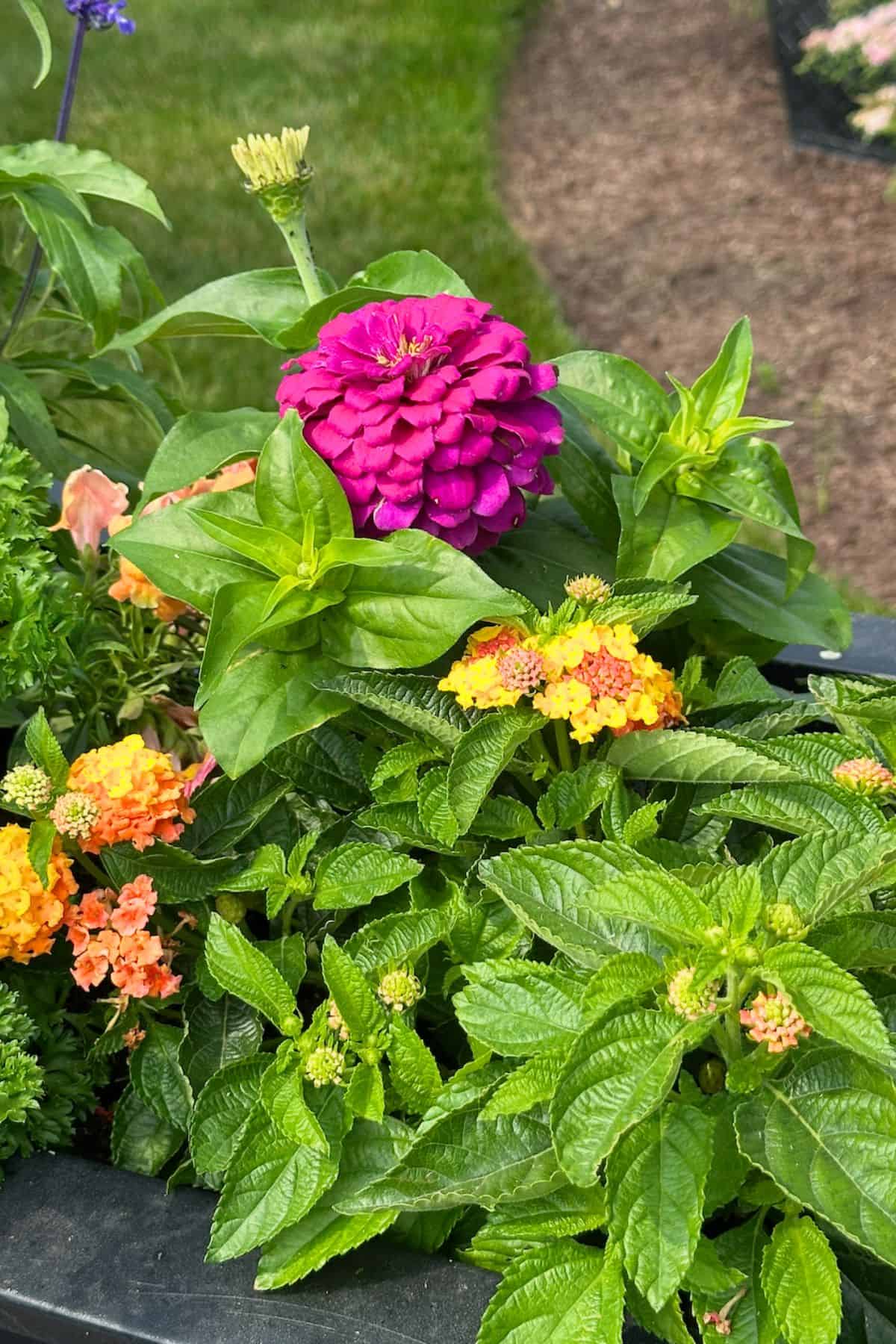
Annuals are the heart and soul of most container gardens, and for good reason. They bloom prolifically, come in every color imaginable, and give you a fresh canvas to work with every single season.
Every year I like to plant my much loved favorites, but I also make sure to try something new. This year I broadcast a variety of salmon colored French marigolds in a large shallow terracotta pot. They are tiny seedlings right now, but I cannot wait to see them bloom. That sense of anticipation and experimentation is one of my favorite things about container gardening. There is always something new to discover!
Here are some of the best annuals for container gardens:
- Geraniums: A classic container plant that blooms reliably all season long in sun or part shade. They are heat tolerant, easy to care for, and come in a beautiful range of colors.
- Petunias: Prolific bloomers that work beautifully as fillers or spillers. Wave petunias are especially lovely cascading over the edges of a pot.
- Marigolds: Cheerful, easy to grow, and naturally pest repelling. They thrive in full sun and bloom from spring right through fall. My Nani’s favorite flowers.
- Impatiens: The go-to annual for shady spots. Few plants bloom as generously or as reliably in low light conditions.
- Begonias: Beautiful in sun or shade depending on the variety, begonias are tough, long blooming, and incredibly versatile in containers.
- Coleus: Grown for its stunning foliage rather than its flowers, coleus brings bold color and texture to containers even in shadier spots. It makes a wonderful thriller plant.
- Salvia: Tall, upright, and absolutely beloved by pollinators. Salvia is a gorgeous thriller plant that blooms from early summer right through frost.
- Lantana: A heat loving, sun worshipping annual that blooms in clusters of warm, multicolored flowers all season long. Butterflies and hummingbirds cannot resist it, and it thrives even in the hottest spots on your patio.
- Snapdragons: Smaller varieties are perfect for containers, bringing lovely vertical interest and cool season color. They are one of the few annuals that actually prefer spring and fall temperatures over summer heat.
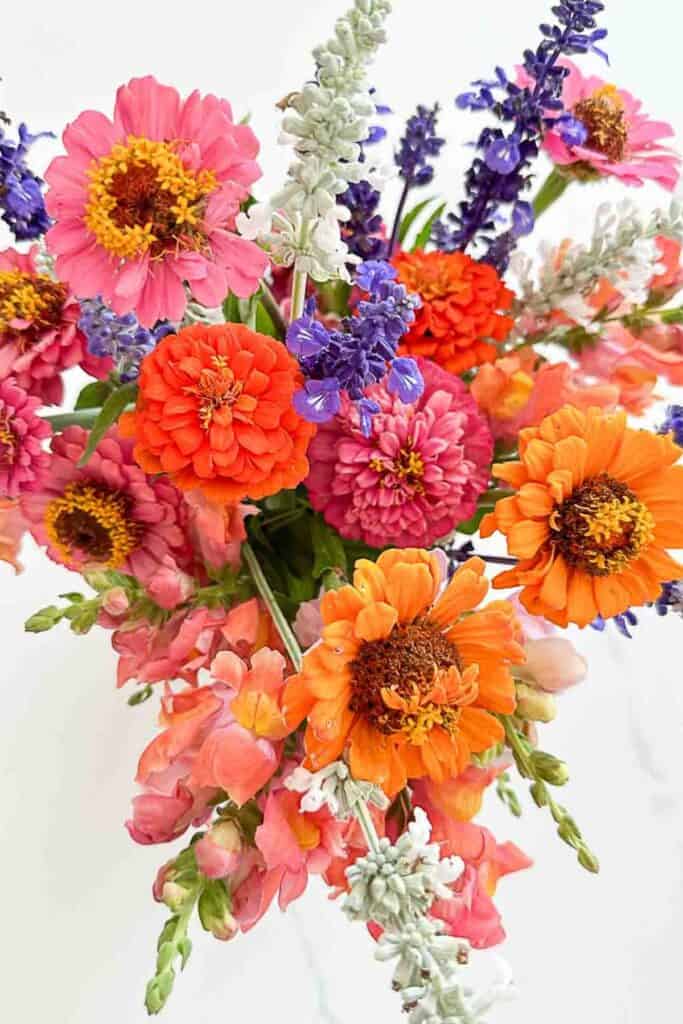
- Zinnias: Pure summer joy in a pot! Zinnias are fast growing, heat loving, and come in every color of the rainbow. Compact varieties like Zahara or Profusion are especially well suited to containers and bloom continuously all season long. My favorite summer annual.
🌿 TIP BOX: Shop for annuals at your local garden center rather than big box stores when you can. Local nurseries stock varieties that are proven to thrive in your specific region, and the plants are usually better quality too. When in doubt, ask someone there what is performing best this season.
Herbs for Container Gardens
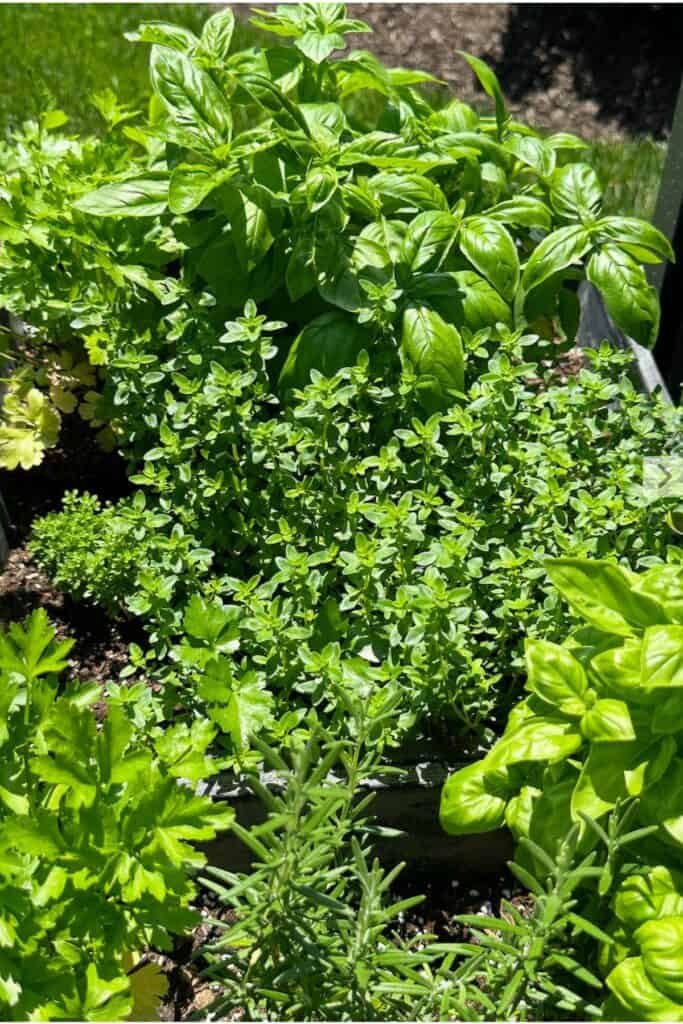
Herbs are my very favorite things to grow in containers, and I think once you start growing them, you will feel the same way. They are delightful plants with varied leaves and beautiful flowers that I use in almost every floral arrangement I make. They smell absolutely heavenly, and they make every recipe I cook better and prettier.
Recently, I took a fresh asparagus salad to a girlfriend’s gathering and scattered purple chive flowerets over the top of the dish. They gave the salad a lovely hint of chive flavor and made it look so pretty against the green. That little moment is exactly why I always have a pot of chives growing just outside my door.
Herbs are also wonderfully well-suited to container life. Most are naturally compact, low-maintenance, and perfectly happy in a pot on a porch, patio, or even a sunny kitchen windowsill.
Here are some of my favorites to grow in containers:
- Basil: The ultimate summer herb. Fresh, fragrant, and absolutely indispensable in the kitchen. Pinch off the flower buds as they appear to keep the leaves coming all season long.
- Chives: Easy to grow, nearly indestructible, and doubly useful. The slender leaves add a mild onion flavor to everything, and the purple flowers are edible and absolutely beautiful.
- Rosemary: Fragrant, evergreen, and incredibly versatile in cooking. Give it a deep pot, full sun, and good drainage, and it will reward you generously.
- Thyme: A low-growing, drought-tolerant herb that is as pretty as it is useful. It tucks beautifully into the edges of a mixed container as a filler or even a soft spiller.
- Mint: Refreshing, vigorous, and wonderfully aromatic. Just be sure to give mint its own pot, as it will happily take over any container it shares!
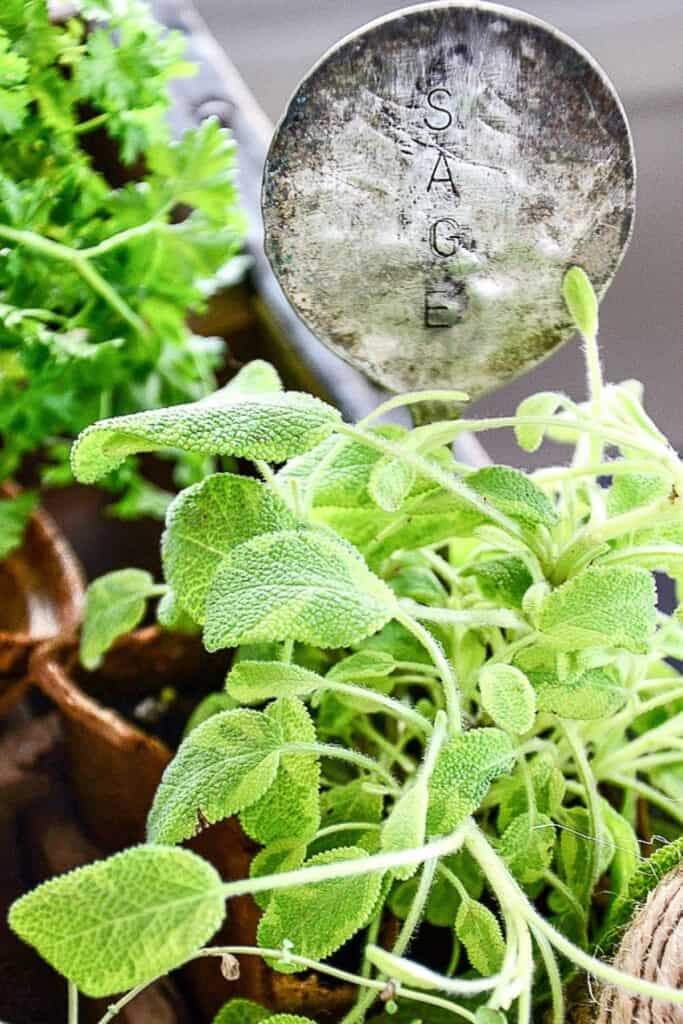
- Sage: Beautiful silvery green foliage that looks as good in a floral arrangement as it does in a recipe. Variegated varieties are especially pretty in containers.
- Parsley: Fresh, bright, and endlessly useful in the kitchen. Both flat leaf and curly varieties grow beautifully in containers and make lovely filler plants.
- Oregano: A Mediterranean staple that loves heat, sun, and good drainage. It spills gracefully over the edges of a pot and looks lovely doing it.
🌿 TIP BOX: Plant mint in its own dedicated pot. It is a vigorous grower that spreads quickly via underground runners and will crowd out everything else in a shared container before you know it. A pot of mint all to itself is a happy pot of mint!
For everything you need to know about growing herbs in containers, including my favorite combinations and care tips, visit my post Herb Container Gardening: The Best Plants To Use.
Vegetables for Container Gardens
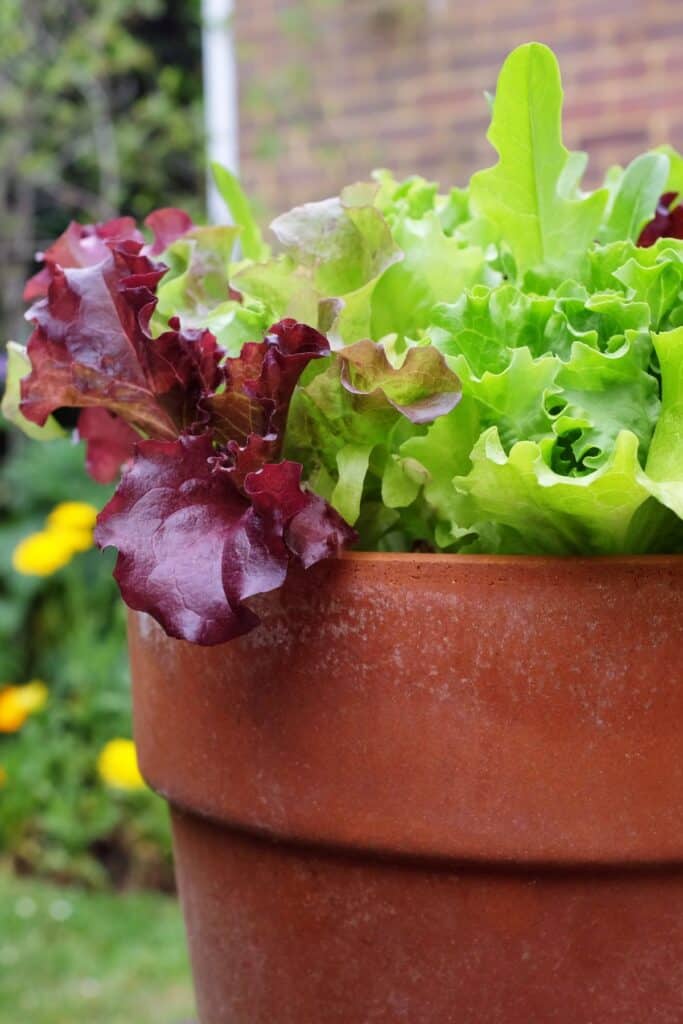
Container gardening is not just about beautiful flowers! Some of the most satisfying containers you can grow are filled with fresh vegetables, and if you have a sunny porch or patio, you might be surprised by just how productive a few well-chosen pots can be.
Every year, we plant a few tomato pots, especially the smaller varieties. Last summer, I looked out the window just in time to see our grandson plucking off and eating the very last cherry tomato from a plant absolutely full of them. I was honestly shocked at how many that sweet boy could eat! But watching him enjoy every single one was one of the sweetest blessings of a summer day at Gigi’s. That is exactly why we grow our own food.
Here are some of the best vegetables for container gardens:
- Cherry and patio tomatoes: Compact varieties like Tumbling Tom, Sun Gold, and Sweet 100 are perfectly suited to containers and incredibly productive. Give them a large pot, full sun, and a small cage for support.
- Peppers: Both sweet and hot varieties thrive in containers and love the extra warmth a pot provides. They are also beautiful plants in their own right!
- Lettuce and salad greens: Perfect for shallow containers and among the easiest vegetables to grow. Harvest a little at a time all season long for a continuous supply of fresh salad greens. Best planted in spring and fall.
- Cucumbers: Compact varieties like Bush Pickle grow beautifully in large containers with a small trellis for support.
- Kale and Swiss chard: Hardy, productive, and genuinely beautiful. The colorful stems of Swiss chard look as good in a container as any ornamental plant.
- Herbs and edible flowers: Do not overlook the edible garden potential of herbs and flowers like nasturtiums, which are both beautiful and delicious!
🌿 TIP BOX: Vegetables need at least six hours of full sun per day and consistent watering and fertilizing to produce well. When it comes to container size for vegetables, always go bigger than you think you need. More soil means more moisture, more nutrients, and a much happier plant.
Perennials for Container Gardens
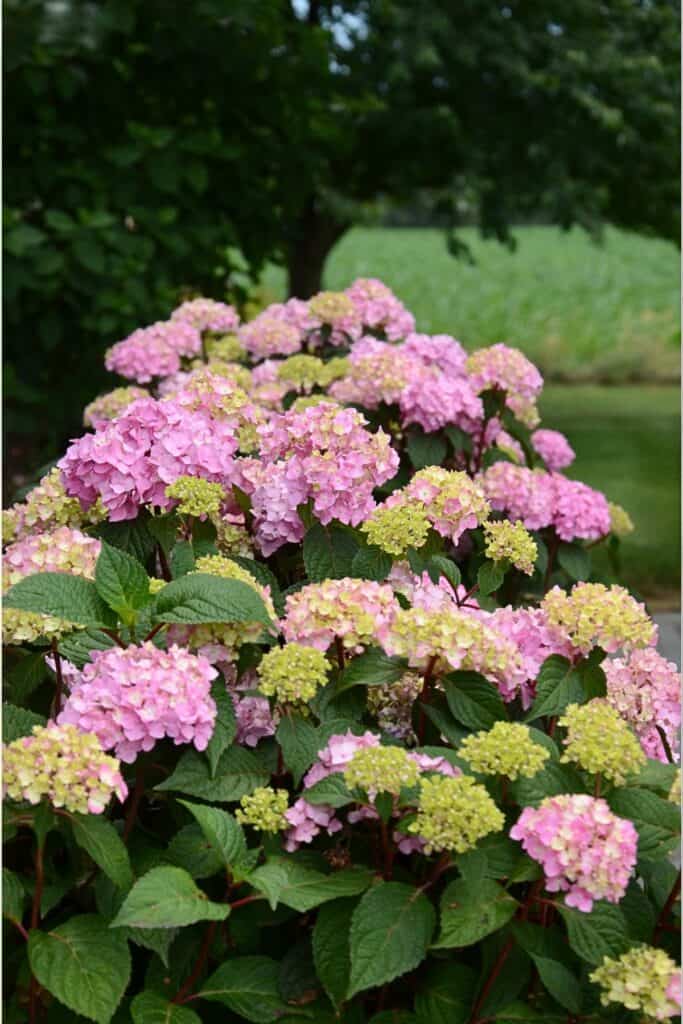
Perennials are the gift that keeps on giving in a container garden. Plant them once, and they return year after year, bringing a sense of permanence and reliability to your outdoor spaces that annuals simply cannot match.
When it comes to potted perennials, hydrangeas are my absolute favorite and most beloved. Over the years, I have planted them in urns flanking the front doors at StoneGable, in large rectangular planters on our back patio, and between the garage doors here at Tanglewood. They are enormously showy, surprisingly easy to care for, and they come back faithfully year after year. There is something so deeply satisfying about a plant that rewards your loyalty right back.
For everything you need to know about growing hydrangeas in containers, visit my post How To Plant Hydrangeas In Pots And In The Ground.
Here are some other wonderful perennials for container gardens:
- Hydrangeas: The most beloved of all container perennials. Enormously showy, surprisingly easy to care for, and available in a wonderful range of varieties and colors. They look stunning in urns, planters, and large pots, and come back faithfully year after year.
- Lavender: Fragrant, beautiful, and beloved by pollinators. Lavender thrives in containers with full sun and excellent drainage, bringing the most heavenly scent to a porch or patio.
- Heuchera (Coral Bells): One of the most versatile container perennials available. The foliage comes in an incredible range of colors from deep burgundy to bright lime green, and it works beautifully as a filler plant.
- Hosta: The ultimate shade-loving perennial. Hostas are lush, elegant, and come in dozens of sizes and colors. They are perfect for those shadier spots where other plants struggle.
- Sedum (Stonecrop): Tough, drought-tolerant, and quietly beautiful. Sedum is an excellent low-maintenance choice for sunny containers.
- Salvia: Long-blooming, pollinator-friendly, and available in a wonderful range of colors. Salvia makes a gorgeous thriller plant and blooms from early summer right through frost.
- Daylilies: Hardy, cheerful, and remarkably easy to grow. Compact varieties do beautifully in containers and bloom prolifically throughout the summer.
🌿 TIP BOX: In colder climates, container grown perennials need a little extra protection in winter since their roots are more exposed to freezing temperatures than they would be in the ground. Move containers to a sheltered spot like an unheated garage or wrap them in burlap before the first hard freeze to help them survive and thrive into next season.
Deadheading
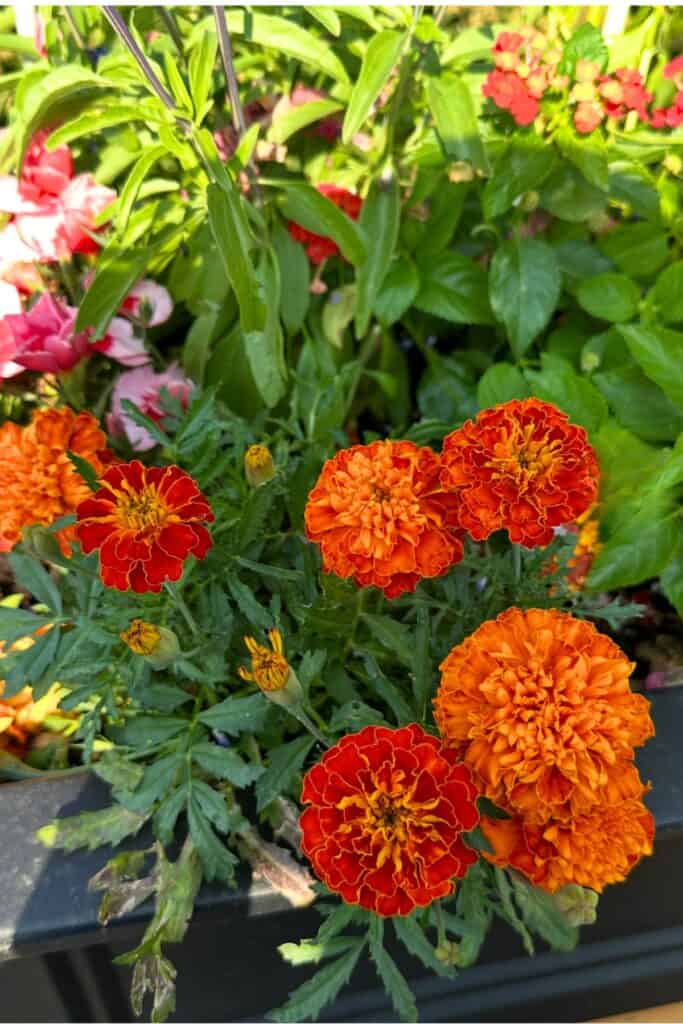
Deadheading simply means removing spent, faded blooms from your plants. It sounds like a small thing, but it makes an enormous difference. When you remove a finished flower, you are telling the plant to keep producing new blooms rather than putting its energy into setting seed. The result is a fuller, more flowering container that looks beautiful all season long.
Deadheading marigolds is one of my very favorite activities when I am out tending my containers. My grandmother taught me to wait until the marigolds bloom, dry right on the plant, then pluck them off and rub them gently between my fingers over the base of the dried flower, releasing those slender black thread-like seeds. I collect the dry seeds in a labeled envelope and save them to broadcast in early May the following year. It is such a simple, satisfying ritual, and every time I do it I am transported back to summery days long ago with my grandmother beside me. Some of the best things in a garden are passed down through generations.
Most annuals, including petunias, geraniums, marigolds, zinnias, and snapdragons, benefit greatly from regular deadheading. Make it part of your routine when you water and it will never feel like a chore.
🌿 TIP BOX: Not all plants need deadheading! Impatiens, begonias, and lantana are self-cleaning, meaning they drop their spent blooms on their own without any help from you. One less thing to do!
Cutting Back Straggly Plants
Even the most beautifully planted container can start to look a little tired and leggy by mid-summer. Stems get long, blooms get sparse, and the whole arrangement loses that full, lush look you worked so hard to create. Do not be discouraged when this happens. It is completely normal, and the fix is simple.
Cut straggly plants back by about one-third of their total height using clean, sharp scissors or pruning shears. It can feel a little nerve-wracking the first time you do it, but trust the process! Most annuals respond to a good mid-season trim with a fresh flush of new growth and blooms within just a week or two.
Petunias in particular benefit enormously from a mid-summer haircut. When they get long and sparse, cut them back hard and give them a good drink of water. They will reward you with a beautiful second act that lasts right through fall.
If a plant or two gets over-stressed, replace them. A fresh plant in mid-season will help the whole pot look better.
🌿 TIP BOX: Always use clean, sharp pruning shears or scissors when cutting back your plants. Dull or dirty blades can crush stems and introduce disease. A quick wipe with rubbing alcohol between plants keeps everything clean and your garden healthy.
Common Container Gardening Mistakes to Avoid
Over the decades, I have made so many container gardening mistakes, and honestly, almost every caution I have written about in this post, I have lived through personally! The great news is that mistakes rarely end in total disaster. Plants are resilient, forgiving, and remarkably rewarding. Every mistake is really just a lesson that makes you a better gardener next season.
Here are the most common mistakes to watch for:
- Using garden soil instead of potting mix. Garden soil is too dense for containers, compacts easily, and drains poorly. Always start with a quality potting mix made specifically for containers.
- Choosing a pot that is too small. Small pots dry out fast, restrict root growth, and limit how well your plants can perform. When in doubt, always go bigger.
- Skipping drainage holes. Every container must have drainage holes, no exceptions. If you love a decorative pot without them, use it as a cachepot and place a plastic nursery pot with drainage holes inside.
- Forgetting to fertilize. Nutrients flush out of the container soil quickly. Start with a premium potting mix that includes built-in fertilizer, or feed regularly throughout the season.
- Mixing plants with different light and water needs. A sun lover and a shade lover will never thrive together in the same pot. Always match your plants to each other and to your location.
- Not deadheading spent blooms. Removing faded flowers encourages your plants to keep producing new ones rather than setting seed. Just a few minutes of deadheading each week makes a noticeable difference in how full and floriferous your containers look.
- Planting mint with other herbs. Mint is a vigorous spreader that will happily crowd out everything else in a shared container. Give it its own pot, and it will be perfectly happy there.
- Reusing old potting soil year after year. Last season’s potting mix is depleted of nutrients and can harbor disease. Starting fresh each spring is one of the simplest and most effective things you can do for a beautiful container garden.
🌿 TIP BOX: Do not let the fear of making mistakes keep you from getting started. Plants are far more resilient than we give them credit for, and even an imperfect container garden brings more joy than no container garden at all. Dig in, experiment, and enjoy every single season!
Questions You Might Be Asking About Container Gardening
Always use a quality potting mix specifically formulated for containers, never garden soil. Garden soil is too dense, compacts easily, and drains poorly in a pot. Look for a lightweight, well-draining mix that contains organic matter. A premium potting mix with built-in slow-release fertilizer is an especially smart choice, as it feeds your plants all season long without any additional effort.
Check your containers daily in warm weather and water when the top inch of soil feels dry to the touch. During a heat wave, some containers may need water twice a day. Water deeply and slowly every time until you see water draining freely from the bottom of the pot. Self-watering containers are a wonderful solution for busy gardeners or containers in full hot sun.
Almost any plant can thrive in a container with the right conditions! For flowers, geraniums, petunias, marigolds, lantana, and begonias are reliable performers. For herbs, basil, chives, rosemary, thyme, and mint are wonderful choices. For vegetables, cherry tomatoes, peppers, lettuce, and cucumbers do beautifully in containers. For perennials, hydrangeas, lavender, heuchera, and hostas are all excellent options.
Water consistently, start with a premium, fertilized potting mix, deadhead spent blooms regularly, and use the Thriller, Filler, Spiller planting method for full, beautiful arrangements. If plants get leggy or straggly mid-summer, do not be afraid to trim them back. Most annuals respond to a good mid-season haircut with a fresh flush of gorgeous new growth and blooms.
Bigger is almost always better! Larger containers hold more soil, which means more moisture, more nutrients, and more root room for your plants. Small pots dry out quickly and restrict growth. As a general rule, most flowering annuals need a container at least 10 to 12 inches in diameter, and vegetables need at least a 5 gallon container, with larger being even better.
More Posts You Will Love
If you enjoyed this guide to container gardening, here are a few more posts I think you will love:
- Easy Small Space Garden Ideas For Patios, Porches, And Small Yards — Beautiful, practical ideas for making the most of every inch of your outdoor space.
- The Secrets For Keeping Cut Garden Flowers Fresh Longer — Everything you need to know about bringing your garden blooms inside and keeping them beautiful as long as possible.
- Best Herbs To Grow In Containers — My complete guide to growing a beautiful and productive container herb garden, with all my favorite varieties and tips.
- How To Plant Hydrangeas In Pots, Planters, And Urns — Everything you need to know about growing gorgeous hydrangeas in containers season after season.
Container gardens are my absolute favorite way to grow flowers, herbs, and vegetables, and after decades of planting, tending, and learning, I love them more than ever. You do not need a big yard, a perfect space, or years of experience. You just need a good container, quality soil, a little sunlight, and the willingness to dig in and enjoy the process. I hope this guide gives you everything you need to create a container garden that brings you as much joy as mine brings me.
Happy gardening, friends…

WOW, nice job. I don’t think I have ever read such a complete collection of info on container gardening. This must have taken some time to compile all this great info and I thank you so much. Have a blessed day, Sharon
I hope this is helpful!
Hi Yvonne,
I had just mentioned to my husband that I wanted to look over our pots to make a list for the coming season and this post turned up! What a wonderful way to enjoy a cup of coffee.
BTW, I no longer receive your regular emails. Is there a way to re-enroll?
You are so sweet Margo. I’ll resubscribe you. You will get an email asking you to confirm your subscription. Make sure you click on CONFIRM. And I’m sending along our Summer e-Magazine.
Beautiful pictures and great information. I do a lot of container gardening because we have underground utilities which limits the amount of ground digging you can do. Thank you for sharing.
I am loving what you did here, and to me nothing speaks more than planting flowers for the Spring and Summer months.
@tisonlyme143
How do you dispose last year’s potting soil? I live in Texas and do as little real gardening as I can. It is just too hot down here in summer. And any suggestions for using evergreen plants in containers that will do well in zone 8. In the Dallas area, we can get temps as high as 110 and also the occasional ‘snow-mageden’ with temps in the teens and below. All suggestions welcome.
Gardening in those severe conditions puts lost of stress on plants. Here in Pa we can have summer heat creeping up to 100 so we water our plants almost daily. A good potting soil enriched with fertilizer will help. You might want to ask someone at a local nursery, since they deal with your weather conditions. Just a tip: when the heat gets that bad, you might want to make sure your plants have shade in the hottest part of the day. I often move mine so they are protected from the sun when the weather gets that bad. As far as getting rid of our potting soil- we live on a golf course and they are always working on something, so the golf course takes it. Call your local municipality and they will be able to help.
What a wealth of information! Do you have this information in booklet form which I can refer to through out the season and years. I would be happy to purchase one if you do.
Thanks, Teresa. I hope you are blessed with beautiful flowers and herbs this year.